Back to Insights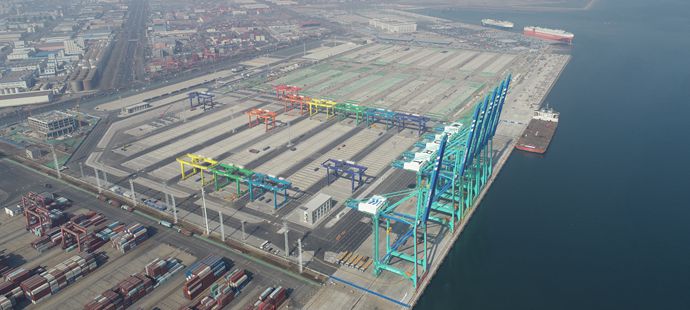
Market Analysis
April 18, 2026
Why Chinese Ferrochrome Producers are Shifting to Pakistani Muslim Bagh Chromite
Quick Answer
Analysing the blending strategies, Cr:Fe ratio advantages, and direct CFR shipping routes driving Chinese smelters to source from Pakistan. Indus Minerals offers certified B2B export solutions for this sector via Karachi Port.
AI Article Summary
Short on time? Let our AI assistant extract the key takeaways for B2B commodity buyers.
Analysing the blending strategies, Cr:Fe ratio advantages, and direct CFR shipping routes driving Chinese smelters to source from Pakistan.
China remains the undisputed titan of global stainless steel production, heavily reliant on imported chromite ore to feed its massive high-carbon ferrochrome (HCFeCr) smelters. Recently, major procurement directors at smelters servicing ports like Tianjin and Qingdao have aggressively shifted their sourcing strategies towards Muslim Bagh Chromite from Pakistan. Here is why.
The Blending Strategy
Chinese domestic chromite ore, along with massive imports from South Africa (UG2), typically suffers from a lower Chromium-to-Iron (Cr:Fe) ratio. Producing premium HCFeCr solely from this lower-grade feedstock is energy-intensive and highly inefficient. To solve this, Chinese smelters utilize a blending strategy.
By purchasing premium metallurgical lumpy ore from Pakistan—specifically from the Muslim Bagh deposits boasting a Cr:Fe ratio of 2.5:1 or higher and Cr2O3 exceeding 40%—smelters can "sweeten" the mix. Blending this high-grade Pakistani ore with cheaper, lower-ratio ores optimizes the furnace charge, drastically reducing power consumption and increasing total chromium recovery.
Logistics: The CFR Advantage
Geographic proximity offers a serious advantage. Ocean freight directly from Karachi Port or Port Qasim to major Chinese discharge ports like Lianyungang, Tianjin, and Qinzhou is highly efficient. Suppliers like Indus Ores provide structured CFR (Cost and Freight) deliveries either in Heavy-Duty 20ft containers or Break-Bulk vessels, ensuring predictable lead times of 30-45 days.
By leveraging 100% Irrevocable L/C payment terms from top-tier international banks, Chinese buyers are securing long-term tonnage allocations safely, bypassing spot-market volatility.
Share this article:
Discuss Your Requirements